
Client stories
Fourteen files. Including the one where we said no.
Fourteen matters from the file, spanning 2023 to 2026, each with its own page: what the client walked in with, what the analysis found, and what the lender decided. Including one where the answer was no.
Featured case study · 2026
The self storage deal the bank said would not service
A going-concern purchase of a storage business together with the freehold it sits on, a little over $3.5m combined. The buyer's bank ran the numbers and said no.
On the vendor's accounts, the bank was right. The storage business on its own sat below a 1.0x debt service cover, and an application built on those accounts was always going to fail. That is where most deals die: not because the deal is bad, but because the accounts are answering the wrong question.
Two things were hiding in plain sight. First, the storage business had been paying well over $150,000 a year in rent to the vendor's family trust, which owned the freehold. The buyer was purchasing the freehold too, so from settlement day that rent becomes internal. Put back where it belongs, the earnings step up materially. Second, the buyer ran an established business of his own, and those earnings belonged in the servicing picture. We adopted them conservatively, at a discount to the recent average, and never counted anything twice.
The rebuild went to the banker as one consolidated worksheet:
- Sources and uses of funds balanced to the facility, so every dollar of the purchase had a funding line against it
- The rent normalisation evidenced from both sides: the operating accounts and the property trust's rental statements
- The buyer's existing business earnings adopted conservatively, at a discount to the recent average, never double-counted
- Covenant testing at sensitised rates, with the binding requirement and the headroom stated plainly
- A two-tranche structure: a senior loan against the freehold and a short amortising overlend for the balance
On the rebuilt file, the structure passed both covenants with clear headroom. The banker approved an additional $3m in lending, and the purchase went ahead. The acquisition added around $400,000 a year in revenue and roughly $240,000 of owner-occupied earnings to the client's position, in a business that had been growing every year on the trot.
The full case study, and what this client used
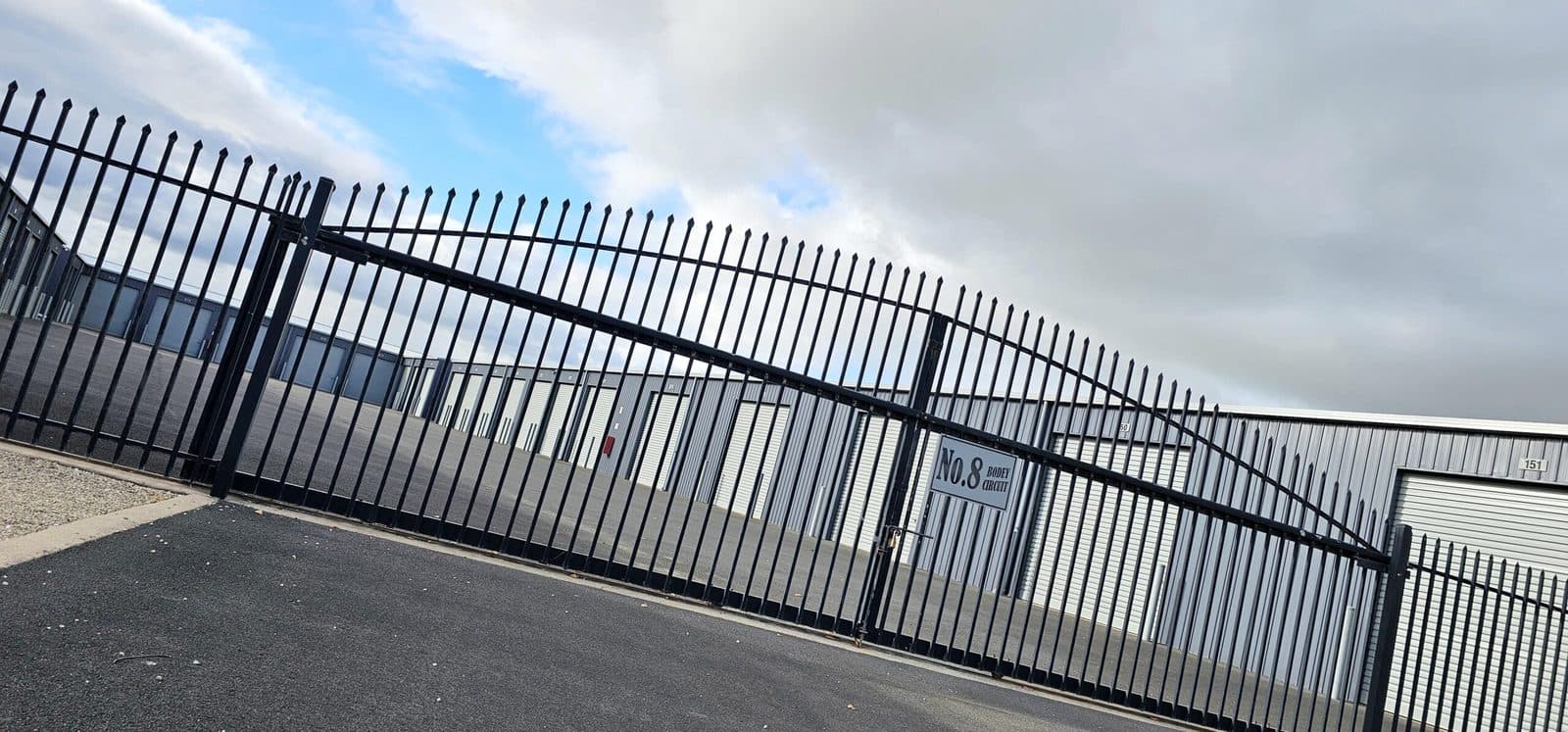
Photograph shared with the client's permission. Figures materially altered. Outcomes depend on individual circumstances and lender criteria.
The servicing verdict, as the worksheet showed it
DSCR (covenant 1.00x)
1.4x
ICR (covenant 1.00x)
2.2x
EBITDA headroom
$120k+
What the client got
Additional lending approved
$3m
Annual revenue added
~$400k
Owner earnings added
~$240k
More from the file
Twelve more matters, same discipline
Some are anonymised with figures altered to protect the client. The commercial-property stories are published with the client's own figures and consent, no third party named, and every projection labelled as an estimate.
Veterinary · 2025
The vet practice capped at $3.0m
Lenders could not read the owner's income, so his capacity stalled at $3.0m and he kept missing out on properties. The business was performing. The paperwork was not telling that story.
Capacity rebuilt to $6.5m. Read the case study
Food franchise · 2026
The franchisee turned away from a bigger site
Operators of a store within a national franchise wanted a second, materially larger site. A major bank knocked the application back on serviceability.
The finance approved, fully funded. The larger site secured. Read the case study
Food franchise · 2025
The buyer from overseas, declined first go
A US-based client wanted to open a store with a growing Australian burger franchise on a prime Melbourne site. A new store with no trading history of its own is a hard file, and the first application was declined.
Approved by a major bank, on strong terms. Read the case study
Established trading business · 2025
The 50 year old business, 100% financed
A buyer acquiring a 50 year old business in a prestige Sydney suburb engaged us for financial due diligence from a credit perspective, with every number agreed between both sides' accountants before the bank saw it.
Secured, 100% financed through a major bank at competitive rates and structure. Read the case study
Carwash · 2026
The carwash, and the 12 month deadline
The clients' broker sent them to us. They were buying a carwash alongside the business they already ran, and the path of least resistance was an expensive second mortgage repayable within 12 months.
A major bank approved a facility just under $1m over 15 years, not 12 months. Read the case study
Landscaping and garden supplies · 2026
The landscaper with 11 months on the books
A sole trader with 11 months of trading history wanted to buy a landscaping and garden supplies business that had traded for more than 30 years, many times his own size. The majors had already declined him.
Approved through a major bank, fully funded. Read the case study
Restaurant franchise · 2023
The restaurant franchise nobody wanted to fund
An experienced operator, years into running his own businesses, had sold one of his sites and wanted an established restaurant franchise on the Central Coast. A non-bank commercial lender said no. Major banks said no.
Approved, and the site acquired. Read the case study
Industrial property, metro Brisbane · 2024
Declined twice. Then $1.5m of equity in nine months.
A freestanding industrial property, bought run-down off private treaty and turned around. The deal had been knocked back before it reached us. Nine months later it carried over $1.5m of new equity, sitting outside the client's business.
Over $1.5m of equity uplift in nine months. Read the case study
CBD retail, Brisbane · 2025
The bank said no. The asset shows a projected 55% IRR.
A freehold multi-tenant CBD retail centre, previously knocked back, structured so the client could buy a multi-million-dollar asset without touching the balance sheet of the business that funds their life.
A projected 55% IRR, business balance sheet left intact. Read the case study
Industrial and activity centre, metro Melbourne · 2025
A $20m deal, funded by the client's own bank.
A $20,000,000 industrial and activity centre, bought more than 50% under-rented. The client kept their existing banking relationship; Nick and his team consulted on the transaction and built the finance documents that funded it.
Funded by the client's own bank on a projected 181% five-year ROI. Read the case study
Industrial portfolio, Brisbane · 2024
The file that unlocked a $9.28m portfolio.
A freehold industrial portfolio of three properties with one multinational tenant, bought well under market rent. Documents and transaction consulting by Nick and his team; funded by the client's own banker.
Funded by the client's own bank on a rental-reversion story a generalist file would have buried. Read the case study
Industrial property, Melbourne · 2024
$1m of equity on day one.
A freehold industrial property bought off-market, valued a million dollars above the purchase price at settlement. A conservative structure the client's own bank was comfortable with, and the wealth-outside-the-business play in its purest form.
$1m of equity before the first rent cheque, on a projected 32.2% IRR. Read the case study
The veterinary matter is shared with the client’s consent; the other matters are anonymised. Figures relate to assessed borrowing capacity or approved lending. Outcomes depend on individual circumstances and lender criteria.
And one more
The one where the answer was no.
A broker sent us a family group: a holding company, a property company, a trading entity and two trusts, with loans running in every direction. Nobody, including the family, had seen the whole position in one place.
Our workbook consolidated the lot, starting with a family tree of the ownership, the intra-group flows eliminated, and the true group position laid out on one page. Revenue was growing fast. But the group was loss-making in every period, carried negative net assets, and was being kept afloat by family loans.
No servicing was evident, and we said so. The broker had the verdict within days, in a document they could put in front of the client: not a maybe, a clear no, with the exact changes needed before the deal could ever get over the line. No lodgement burned, no weeks lost, no lender relationship spent on a file that could not pass.
The fee was the same as if the answer had been yes. That is the point.
Details anonymised and figures materially altered. Outcomes depend on individual circumstances and lender criteria.
Every one of these started with evidence.
Nothing in these files was massaged. Rent that becomes internal on settlement, receipts behind one-off expenses, EFTPOS trading cross-checked to the accounts, ATO benchmarks behind the projections. Real numbers, presented the way a credit team reads them, are what get approvals. When the real numbers say a deal does not service, we say that instead, and the fee is the same.
Want a straight read on your deal?
Book a free call with Nick. Bring the numbers you have, and we will tell you the right service level and the fixed fee. No obligation.